How to remove mold from shower floor
Mold on your shower floor is one of the most common bathroom problems — and one of the most stubborn. The shower floor stays wet longer than any other surface in your bathroom, and water pools in grout lines, corners, and around the drain where mold thrives.
If your shower floor looks dark, slimy, or discolored — especially in the grout or around the drain — you’re almost certainly dealing with mold. Here’s how to remove it safely and stop it from coming back.
Why Mold Grows on Shower Floors
Your shower floor has three things mold loves: constant moisture, warmth, and organic material (soap scum, body oils, dead skin cells). Water pools on the floor after every shower, and unless you actively dry it, mold can begin growing within 24–48 hours.
The most vulnerable spots are grout lines (which are porous and absorb moisture), the caulk seal where the floor meets the wall or tub, corners where water pools, and around the drain.
If mold is also appearing on your shower tile and walls, shower head, or bathroom ceiling, that points to a ventilation problem affecting your entire bathroom.
What You’ll Need
- White distilled vinegar or hydrogen peroxide (3%)
- Baking soda
- Stiff-bristle grout brush or old toothbrush
- Spray bottle
- Rubber gloves
- Dedicated mold removal spray (for stubborn or black mold)
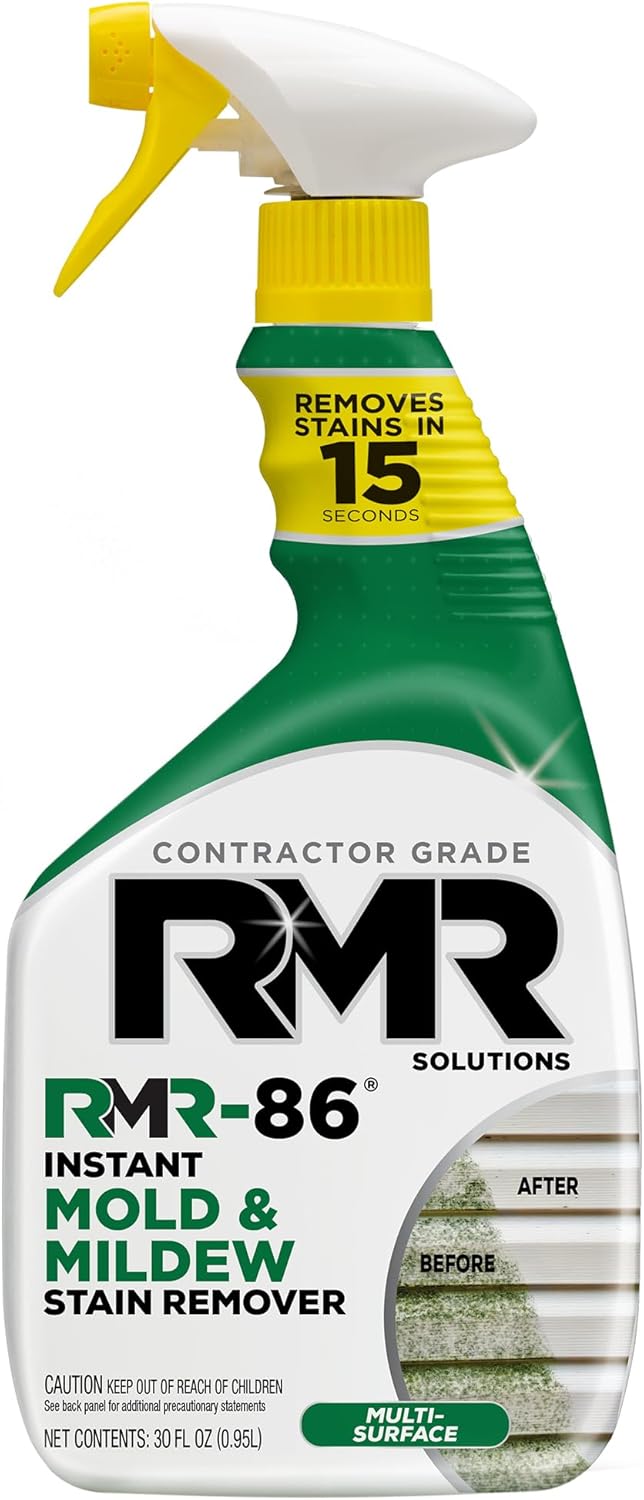
Click Here for Our Favorite Mold Remover
How to Remove Mold from a Shower Floor (Step by Step)
Method 1: Baking Soda + Vinegar (Best for Grout Lines)
Step 1: Sprinkle baking soda generously over the moldy areas, focusing on grout lines and corners.
Step 2: Spray undiluted white vinegar over the baking soda. It will fizz — that reaction helps lift mold out of porous surfaces like grout.
Step 3: Let the mixture sit for 15–20 minutes.
Step 4: Scrub with a stiff grout brush, working along the grout lines. For corners and around the drain, use an old toothbrush to get into tight spots.
Step 5: Rinse thoroughly with hot water and check your results. Repeat if staining remains.
Method 2: Hydrogen Peroxide (Best for Tile Surfaces)
Hydrogen peroxide is a natural antifungal that works well on tile without damaging the finish.
Step 1: Pour 3% hydrogen peroxide into a spray bottle (no dilution needed).
Step 2: Spray generously over all moldy areas on the shower floor.
Step 3: Let it sit for 10–15 minutes. You may see some fizzing — that’s the peroxide killing the mold.
Step 4: Scrub with a grout brush and rinse with warm water.
Method 3: Dedicated Mold Remover (Best for Black Mold or Deep Stains)
When natural methods aren’t cutting it — especially with black mold that’s penetrated deep into grout — a dedicated mold removal product gets the job done faster.
Step 1: Ventilate the bathroom (open a window or turn on the exhaust fan).
Step 2: Apply the mold remover directly to the affected areas per the product instructions.
Step 3: Let it dwell for the recommended time (usually 5–15 minutes).
Step 4: Scrub and rinse thoroughly.
Important: Never mix bleach with vinegar, hydrogen peroxide, or ammonia-based cleaners. This creates toxic fumes.
Removing Mold Around the Shower Drain
The drain area deserves special attention because it stays wet the longest and traps organic debris that feeds mold.
Remove the drain cover and clean underneath it — this is where mold often hides unseen. Scrub the cover and the visible drain channel with a toothbrush dipped in vinegar or mold remover. If your drain is slow, clear the clog first — standing water after showers dramatically accelerates mold growth.
Dealing with Moldy Caulk on the Shower Floor
If the caulk along the base of your shower (where the floor meets the walls or tub) is black or discolored, cleaning alone won’t fix it. Mold grows inside silicone and latex caulk, not just on the surface.
The fix: remove the old caulk completely with a caulk removal tool, clean the area with mold remover, let it dry fully, and re-caulk with a mold-resistant silicone caulk. This is one of the most effective things you can do to prevent recurring mold on shower floors.
How to Keep Mold Off Your Shower Floor
Removing mold is the easy part. Preventing it from returning requires addressing the moisture:
Squeegee or towel-dry after every shower. This removes the standing water mold needs. A 30-second squeegee habit prevents 90% of shower floor mold.
Run your exhaust fan for 20–30 minutes after showering. This pulls humid air out of the bathroom. If your fan isn’t strong enough to hold a piece of tissue paper against the vent, it needs replacing or cleaning.
Spray vinegar weekly. A quick spray of undiluted vinegar on the shower floor after your last shower of the week keeps mold spores from establishing.
Use a dehumidifier. If your bathroom stays foggy long after showering, a dehumidifier helps bring humidity below the 50% threshold.
Seal your grout. Unsealed grout absorbs water and gives mold a place to root. Apply a grout sealer once a year to protect it.
Fix slow drains immediately. A drain that doesn’t clear water within a few seconds of shutting off the shower means standing water — and standing water means mold.
When to Call a Professional
Most shower floor mold is a straightforward DIY fix. However, call a mold remediation professional if:
- Mold returns within a week or two of thorough cleaning
- You notice a musty smell even after cleaning all visible mold
- Tiles are loose, cracked, or the subfloor feels soft — this suggests water is getting under the tile and mold may be growing beneath the shower pan
- Mold is spreading to multiple areas of your bathroom (ceiling, walls, window sill)
Hidden mold beneath shower floors is a common source of persistent musty smells. Here’s what mold remediation typically costs — early action always saves money.
Frequently Asked Questions
Q: Why does my shower floor get moldy so fast?
A: Shower floors stay wet the longest of any bathroom surface and collect soap scum, body oils, and dead skin cells — all of which feed mold. Without proper drainage, ventilation, and routine drying, mold can return within days. Porous grout makes the problem worse because it absorbs and holds moisture.
Q: Is black mold on a shower floor dangerous?
A: Any mold in your living space can trigger health issues including allergic reactions, respiratory irritation, and headaches. While true Stachybotrys (toxic black mold) is less common on tile, other dark molds found on shower floors still produce allergens and irritants. Clean it regardless of the species.
Q: Can I use bleach on my shower floor?
A: Bleach kills surface mold effectively on non-porous tile, but it doesn’t penetrate porous grout well — the mold roots survive and regrow. Vinegar or hydrogen peroxide often work better for grout. If you do use bleach, dilute it (1 part bleach to 10 parts water), ventilate the room, and never mix it with other cleaners.
Q: How do I remove mold stains from white grout?
A: Make a thick paste of baking soda and hydrogen peroxide, apply it to the grout lines, and let it sit for 30 minutes before scrubbing. For deep stains, apply a dedicated mold remover and let it dwell per the product instructions. If staining persists after multiple cleanings, the grout may need to be professionally cleaned or replaced.
Q: Should I regrout my shower floor if mold keeps coming back?
A: If mold persistently returns despite regular cleaning and the grout is crumbling, cracked, or permanently discolored, regrouting is a smart investment. When you regrout, use a mold-resistant grout and seal it once it cures. This gives mold far less opportunity to take hold.
Final Thoughts
Mold on a shower floor is common, fixable, and preventable. The key is addressing both the mold itself and the moisture that feeds it. A quick daily squeegee, proper ventilation, and a monthly vinegar treatment keep most shower floors mold-free permanently.
If mold is showing up beyond just the floor — on your shower tiles, shower head, or bathroom walls — that’s a sign of a ventilation issue worth fixing before it leads to bigger problems.