How to remove mold from bathtub
Mold in your bathtub tends to show up in the same spots — along the caulk line, around the drain, on the overflow plate, and in the corners where the tub meets the wall. These areas stay damp longest and collect the soap residue and body oils that mold feeds on.
Whether you’re dealing with black spots along the caulk, pink slime near the drain, or dark patches creeping up from the tub corners, the cleanup process is straightforward. Here’s how to remove bathtub mold and keep it from returning.
Why Mold Grows in Bathtubs
Bathtubs hold standing water, generate steam, and have multiple joints and seams where moisture gets trapped. Even after the tub drains, a thin film of water clings to surfaces — especially along the caulk, around fixtures, and in any area that doesn’t get direct airflow.
Add in soap scum, shampoo residue, and body oils (all organic material mold feeds on), and your bathtub becomes one of the most mold-prone surfaces in your home. Mold can begin growing in as little as 24–48 hours under these conditions.
Bathtub mold is often connected to mold in the surrounding area. If you see it in the tub, check the tile and grout above the tub, the shower floor (if it’s a tub/shower combo), and the bathroom ceiling directly above.
What You’ll Need
- White distilled vinegar
- Baking soda
- Hydrogen peroxide (3%)
- Spray bottle
- Non-scratch scrub sponge or brush
- Old toothbrush
- Rubber gloves
- Dedicated mold removal spray (for stubborn or caulk-line mold)
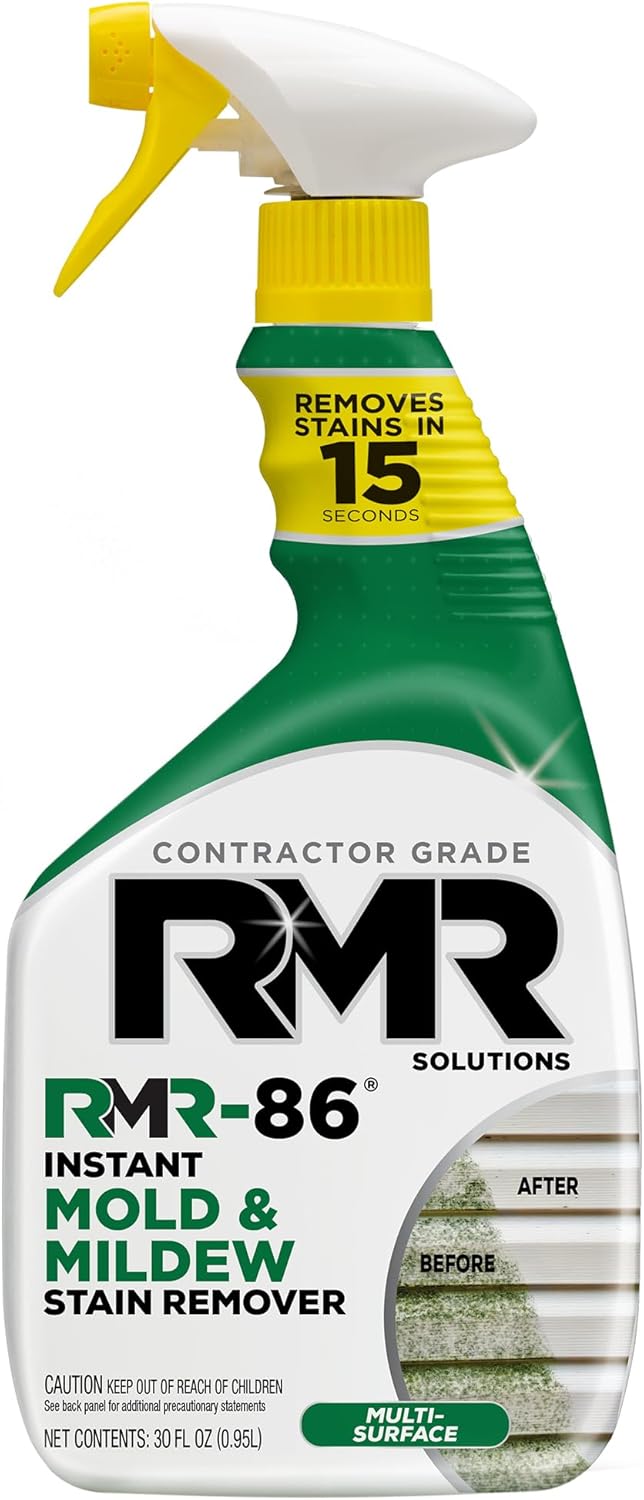
Click Here for Our Favorite Mold Remover
How to Remove Mold from a Bathtub (Step by Step)
Cleaning Mold from the Tub Surface
The tub basin itself (whether porcelain, fiberglass, or acrylic) is non-porous, so surface mold comes off easily.
Step 1: Spray the entire tub surface with undiluted white vinegar. Pay extra attention to the waterline, corners, and around the drain and overflow.
Step 2: Sprinkle baking soda over the vinegar while it’s still wet. The fizzing action helps lift soap scum and mold together.
Step 3: Let the mixture sit for 15–20 minutes.
Step 4: Scrub with a non-scratch sponge (important for acrylic and fiberglass tubs — abrasive scrubbers will damage the finish). For porcelain tubs, a slightly stiffer brush is fine.
Step 5: Rinse thoroughly with warm water.
Note for acrylic and fiberglass tubs: Avoid bleach and abrasive cleaners on these surfaces. Vinegar, baking soda, and hydrogen peroxide are all safe. Bleach can cause yellowing and micro-scratches that actually make future mold problems worse by giving mold more texture to grip.
Cleaning Mold from Bathtub Caulk
The caulk line where the tub meets the wall is the most common spot for persistent bathtub mold — and the hardest to clean, because mold grows inside the caulk, not just on it.
For surface-level caulk mold:
Soak cotton balls or strips of paper towel in hydrogen peroxide or undiluted vinegar. Press them against the moldy caulk and leave them for 1–2 hours (or overnight for heavy mold). The extended contact time allows the solution to penetrate the caulk surface. Scrub gently with a toothbrush and rinse.
For mold that’s embedded in the caulk:
If the caulk is dark/discolored even after cleaning, the mold has grown into the material and won’t come out with surface treatment. The fix is to remove the caulk entirely (use a caulk removal tool or utility knife), clean the exposed joint with mold remover, let it dry completely, and re-caulk with mold-resistant silicone caulk.
This sounds like a big job but takes about an hour and is one of the most effective things you can do to eliminate recurring bathtub mold.
Cleaning Mold Around the Drain and Overflow
Remove the drain stopper and overflow plate cover. Clean under both with vinegar and a toothbrush — mold and bacteria build up in these hidden areas and contribute to the musty smell many people notice around bathtubs.
If the drain is slow, clear it. Standing water is the biggest accelerant for bathtub mold growth.
What About Black Mold in the Bathtub?
Dark mold in bathtubs is common but is usually species like Cladosporium or Aspergillus rather than the infamous Stachybotrys chartarum (toxic black mold). Stachybotrys prefers porous materials like drywall and wood, so it’s less likely to grow directly on tub surfaces.
That said, all mold species can trigger health reactions. If you’re experiencing unexplained congestion, headaches, or respiratory issues, review the warning signs of mold toxicity and take any bathroom mold seriously.
How to Prevent Bathtub Mold
Wipe down the tub after use. A quick wipe with a towel after every bath or shower removes the moisture film mold needs. This single habit prevents most bathtub mold.
Ventilate properly. Run your exhaust fan during and for 20–30 minutes after every bath or shower. If your bathroom doesn’t have an exhaust fan, leave the door open and crack a window to get air moving.
Don’t leave wet items in the tub. Wet loofahs, washcloths, soap bars sitting in puddles, and bath toys all hold moisture and grow mold. Hang them to dry outside the tub.
Spray vinegar weekly. A quick spray of undiluted vinegar on the tub, caulk line, and fixtures once a week prevents mold spores from establishing.
Replace caulk proactively. Don’t wait until caulk is visibly moldy. If it’s cracking, peeling, or pulling away from the wall, moisture is getting behind it. Re-caulk with mold-resistant silicone before mold sets in.
Keep humidity low. If your bathroom stays humid long after bathing, consider a dehumidifier. Keeping humidity below 50% makes it very difficult for mold to grow.
When to Call a Professional
Bathtub mold is almost always a DIY fix. However, call a mold removal professional if:
- Mold keeps returning within days despite thorough cleaning and ventilation
- You notice a musty smell coming from inside the wall behind the tub
- The wall behind or around the tub is soft, discolored, or warped
- Mold is spreading to multiple bathroom surfaces — walls, ceiling, window sill
These signs suggest water is leaking behind the tub into the wall cavity, where mold grows on drywall and framing out of sight. Here’s what professional mold remediation typically costs.
Frequently Asked Questions
Q: Why does mold keep coming back on my bathtub caulk?
A: Because mold grows inside caulk, not just on the surface. Once caulk is internally contaminated, no amount of surface cleaning will fully remove it. The lasting fix is to remove the old caulk and replace it with mold-resistant silicone caulk. Going forward, a weekly vinegar spray and proper ventilation will keep new caulk mold-free.
Q: Can I use bleach on an acrylic or fiberglass bathtub?
A: It’s not recommended. Bleach can cause yellowing on acrylic and fiberglass surfaces and may create micro-scratches that make mold problems worse over time. Stick to vinegar, baking soda, or hydrogen peroxide — they’re effective on mold and safe for all tub materials.
Q: Is the pink slime in my bathtub mold?
A: The pink or orange film common around tub drains and waterlines is actually Serratia marcescens, a bacteria rather than a true mold. It thrives in the same wet conditions as mold and should be cleaned the same way. Its presence usually means mold is growing nearby too.
Q: How do I remove mold from bathtub jets (jetted tub)?
A: Fill the tub with hot water until the jets are covered by about 2 inches. Add 2 cups of white vinegar and 1/2 cup of baking soda. Run the jets for 15–20 minutes, then drain and refill with cold water. Run the jets for another 5 minutes to flush. Do this monthly to prevent mold buildup inside the jet lines.
Q: My bathtub smells musty but I can’t see any mold. What should I do?
A: A musty smell without visible mold usually means it’s growing somewhere hidden — inside the overflow drain, under the drain assembly, behind the caulk, or inside the wall behind the tub. Start by cleaning the drain and overflow areas. If the smell persists, the mold is likely behind the wall and you should call a professional.
Final Thoughts
Bathtub mold is one of the most common — and most fixable — household mold problems. In most cases, vinegar, baking soda, and a good scrub get the job done. For persistent caulk mold, a caulk replacement is the permanent fix.
If mold is showing up across multiple bathroom surfaces — on your shower tile, shower floor, shower head, or window sill — that’s a clear sign of a ventilation problem that’s worth addressing at the source before it gets worse.