Basement Water Damage Repair: What to Do, What It Means, and How to Fix It
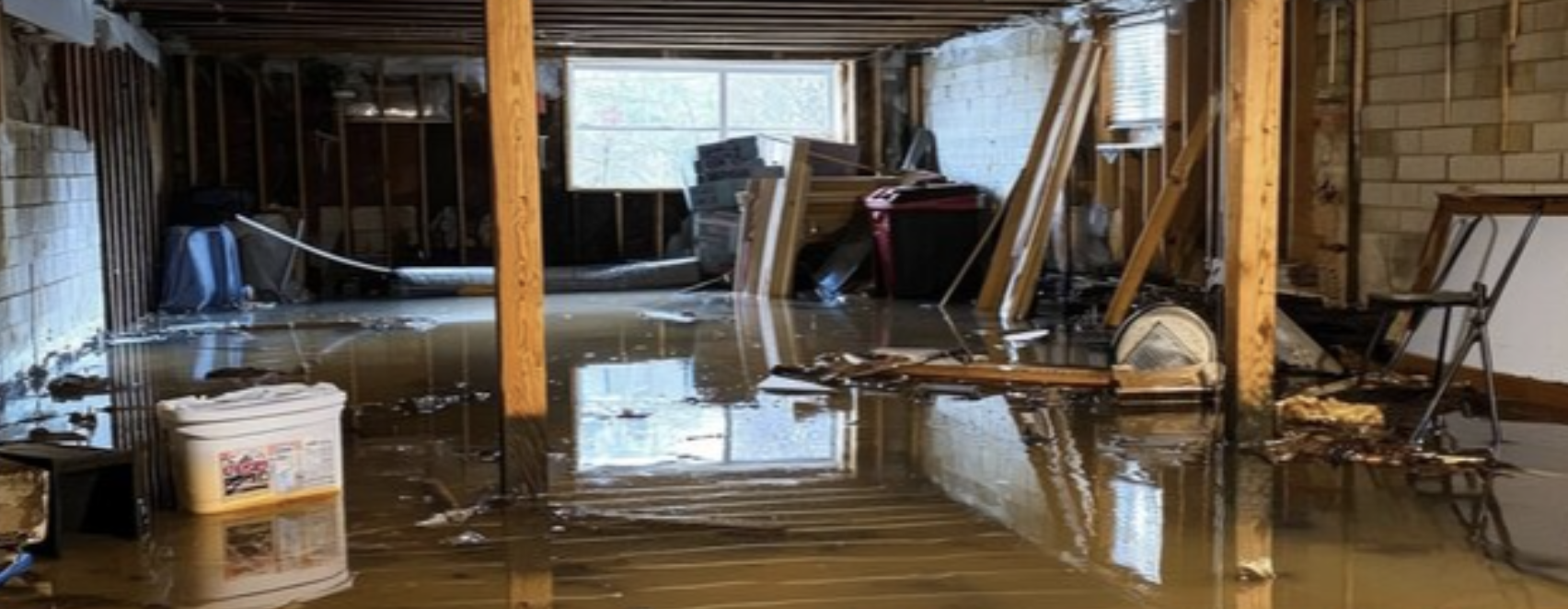
If you’re searching for basement water damage repair, something already went wrong. Maybe water is still present, maybe it just receded, or maybe you’re staring at soaked carpet, stained walls, or a musty smell that wasn’t there yesterday.
The good news: basement water damage is usually repairable.
The bad news: what you do in the first 24–48 hours determines whether this is a cleanup or a much bigger rebuild.
This guide walks you through what caused the damage, what to do immediately, what “repair” actually involves, and when it’s time to bring in professionals.
What Causes Basement Water Damage?
Most basement water damage comes from one of these situations:
Burst or Frozen Pipes
Common in winter or older homes. Water can spread fast and soak walls, flooring, and insulation before it’s noticed.
Sump Pump Failure
If the pump fails during heavy rain or a power outage, water can flood the basement quickly.
Heavy Rain or Groundwater Seepage
Water enters through foundation cracks, window wells, or poorly graded soil around the home.
Sewer or Drain Backup
Floor drains or toilets overflow due to blockages or overwhelmed municipal systems. This is one of the most serious scenarios.
Water Heater or Appliance Failure
A ruptured water heater, washing machine hose, or utility sink can release a surprising amount of water.
Identifying what caused the damage matters because it affects safety, cleanup methods, insurance coverage, and how repairs are handled.
First Things First: Safety and Immediate Actions
Before worrying about repairs, protect yourself and your home.
-
If water is near outlets or appliances, shut off electricity to the basement
-
Do not walk through standing water if power may still be on
-
Wear gloves and boots, especially if the water may be contaminated
-
Keep children and pets out of the area
-
Stop the source of water if possible (shut off supply, stop appliance use)
Avoid trying to “push through” the cleanup if there’s any safety risk.
What Basement Water Damage Repair Actually Means
Many people think repair just means drying things out. In reality, proper basement water damage repair usually involves several steps:
-
Water extraction (removing standing water)
-
Structural drying (floors, walls, framing, concrete)
-
Removal of damaged materials (carpet, padding, drywall, insulation)
-
Cleaning and sanitizing affected areas
-
Mold prevention or remediation, if needed
-
Rebuilding or restoration (drywall, flooring, baseboards)
Important distinction:
-
Cleanup removes water
-
Repair restores the structure safely
-
Restoration puts the space back together
Skipping steps often leads to mold, odor, or repeat damage.
What Kind of Water Are You Dealing With?
This is one of the most important questions — and most homeowners don’t realize it matters.
Clean Water
-
Burst pipes
-
Appliance leaks
-
Water heater failures
Lowest risk if addressed quickly.
Gray Water
-
Washing machine overflow
-
Sink or shower backups
Contains contaminants and requires disinfection.
Black Water
-
Sewer backups
-
Toilet overflows
-
Floodwater from outside
This is a health hazard. Porous materials usually must be removed, and professional cleanup is strongly recommended.
The dirtier the water, the more aggressive the repair process needs to be.
Why the First 24–48 Hours Matter So Much
Water damage gets worse with time, even if the water is gone.
-
Mold can begin growing in 24–48 hours
-
Drywall and insulation trap moisture behind walls
-
Concrete can stay wet for weeks
-
Odors can become permanent
-
Insurance claims can be affected if mitigation is delayed
Fast action often saves money and prevents long-term problems.
Can You Handle Basement Water Damage Yourself?
DIY May Be Reasonable If:
-
The water was clean
-
The affected area is small
-
The damage was caught immediately
-
No drywall, insulation, or framing is wet
Professional Repair Is Needed If:
-
Sewage or drain backup is involved
-
Water soaked walls or ceilings
-
Standing water remained longer than 24 hours
-
You notice musty smells or discoloration
-
Mold is visible or suspected
-
The source of the water isn’t clear
Trying to “wait it out” is one of the most common and costly mistakes.
Insurance and Cost Considerations
Insurance coverage depends on the cause:
-
Sudden pipe bursts are often covered
-
Groundwater flooding usually requires flood insurance
-
Sewer backups are covered only if you have a rider
-
Slow leaks are often denied
Important tips:
-
Document damage with photos and videos
-
Start mitigation immediately
-
Save receipts
-
Don’t throw items away before documenting them
Delays can reduce or complicate claims.
How Long Basement Water Damage Repair Takes
Timelines vary, but generally:
-
Water extraction: same day
-
Drying: 3–7 days
-
Material removal: 1–3 days
-
Repairs/restoration: days to weeks, depending on severity
Sewage contamination, mold growth, or structural damage can extend timelines.
Preventing Basement Water Damage in the Future
Once repairs are complete, prevention matters.
-
Inspect and maintain sump pumps (add battery backup)
-
Improve exterior drainage and grading
-
Seal foundation cracks
-
Install a backwater valve
-
Use a basement dehumidifier
-
Address recurring moisture issues early
Repairing damage without fixing the cause often leads to repeat problems.
When to Get a Professional Inspection
Consider an inspection if:
-
You’re unsure how far water traveled
-
Walls or floors feel damp days later
-
Odors persist
-
You want documentation for insurance
-
The basement floods repeatedly
A proper assessment looks beyond what’s visible.
Common Questions About Basement Water Damage Repair
How fast does mold grow after water damage?
Often within 24–48 hours in damp conditions.
Can concrete dry on its own?
Eventually, but it can stay wet for weeks without proper drying.
Is basement flooding always expensive to fix?
Not if addressed quickly — delays drive up costs.
Can you paint over water damage?
Only after materials are fully dried and repaired. Painting too soon traps moisture.