Water Coming Through Floor
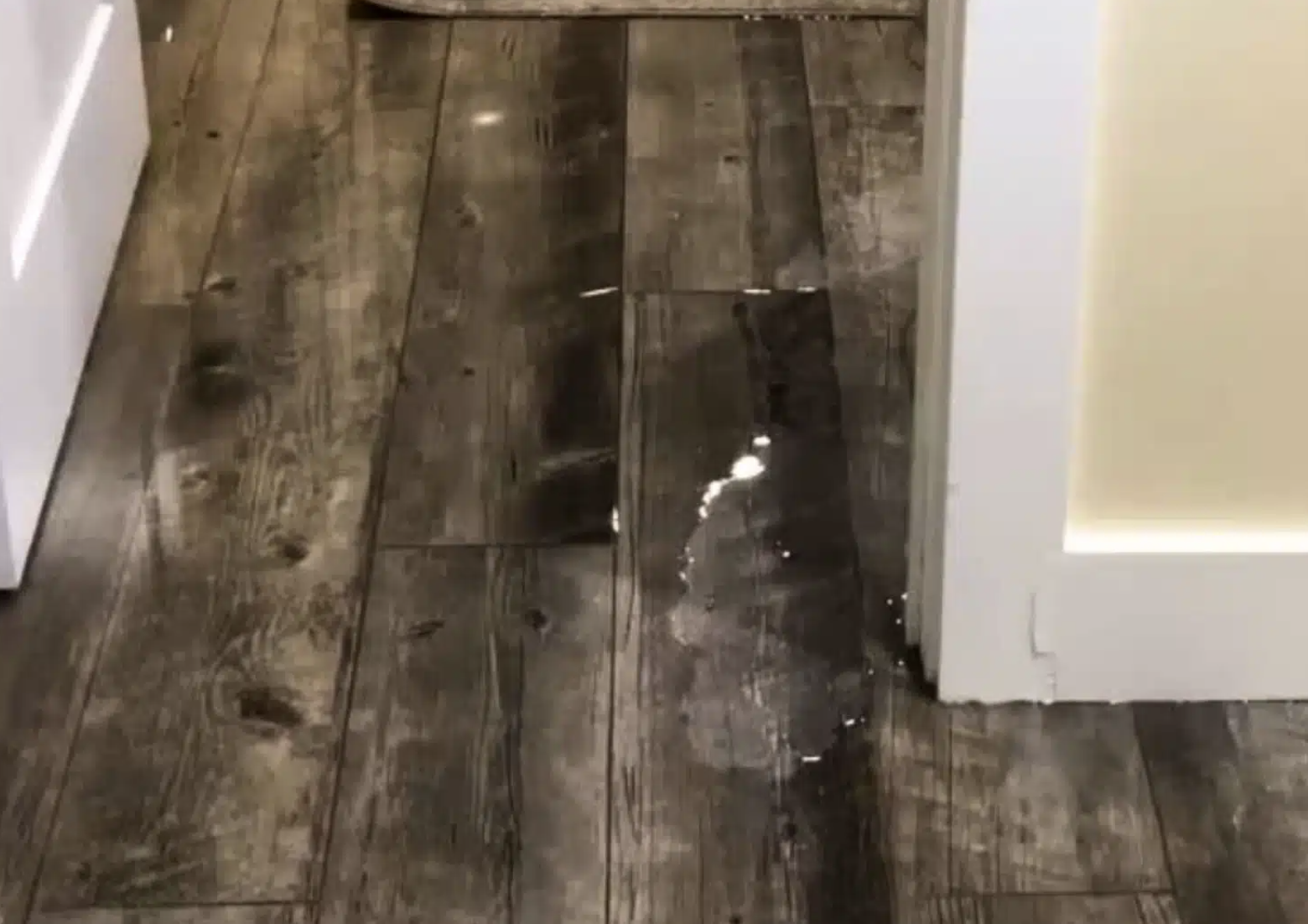
Water seeping through your floors can be a homeowner’s worst nightmare — especially when you can’t tell where it’s coming from or how to stop it. Left unchecked, water intrusion leads to structural damage, mold growth, and repairs that cost thousands.
The good news: most causes are fixable if you act fast.
Here’s what to do right now, how to find the source, and the exact tools and fixes that work.
🚨 Step 1: Damage Control (Do This Right Now)
Before you diagnose anything, limit the damage. Every minute counts.
1. Shut Off the Main Water Supply
If this is a burst pipe or appliance leak, turning off your main valve could stop it instantly. Your shutoff valve is usually on the basement wall, in a crawl space, near the water heater, or near the street meter. Turn the valve clockwise to close it.
Not sure which valve is yours? A water shutoff valve wrench makes it easy to turn stubborn or recessed valves — worth keeping in your toolkit.
👉 Get a water shutoff valve wrench on Amazon
2. Cut Power to the Wet Area
Water and electricity are a deadly combination. Flip the breaker to any room where water is near outlets, appliances, or extension cords. Do not step into standing water if the power is still on.
3. Remove Standing Water Immediately
The faster you dry things out, the less damage you’ll face. Mold can start growing in as little as 24–48 hours.
Your best tool here is a wet/dry shop vac — it removes gallons of water fast and handles debris that would clog a regular vacuum. Towels, mops, and fans help too, but a shop vac does the heavy lifting.
👉 See top-rated wet/dry shop vacs on Amazon
Once you’ve removed the standing water, set up a high-velocity air mover fan to dry out floors, walls, and baseboards. Regular box fans work in a pinch, but dedicated air movers dry 3–4x faster and help prevent mold.
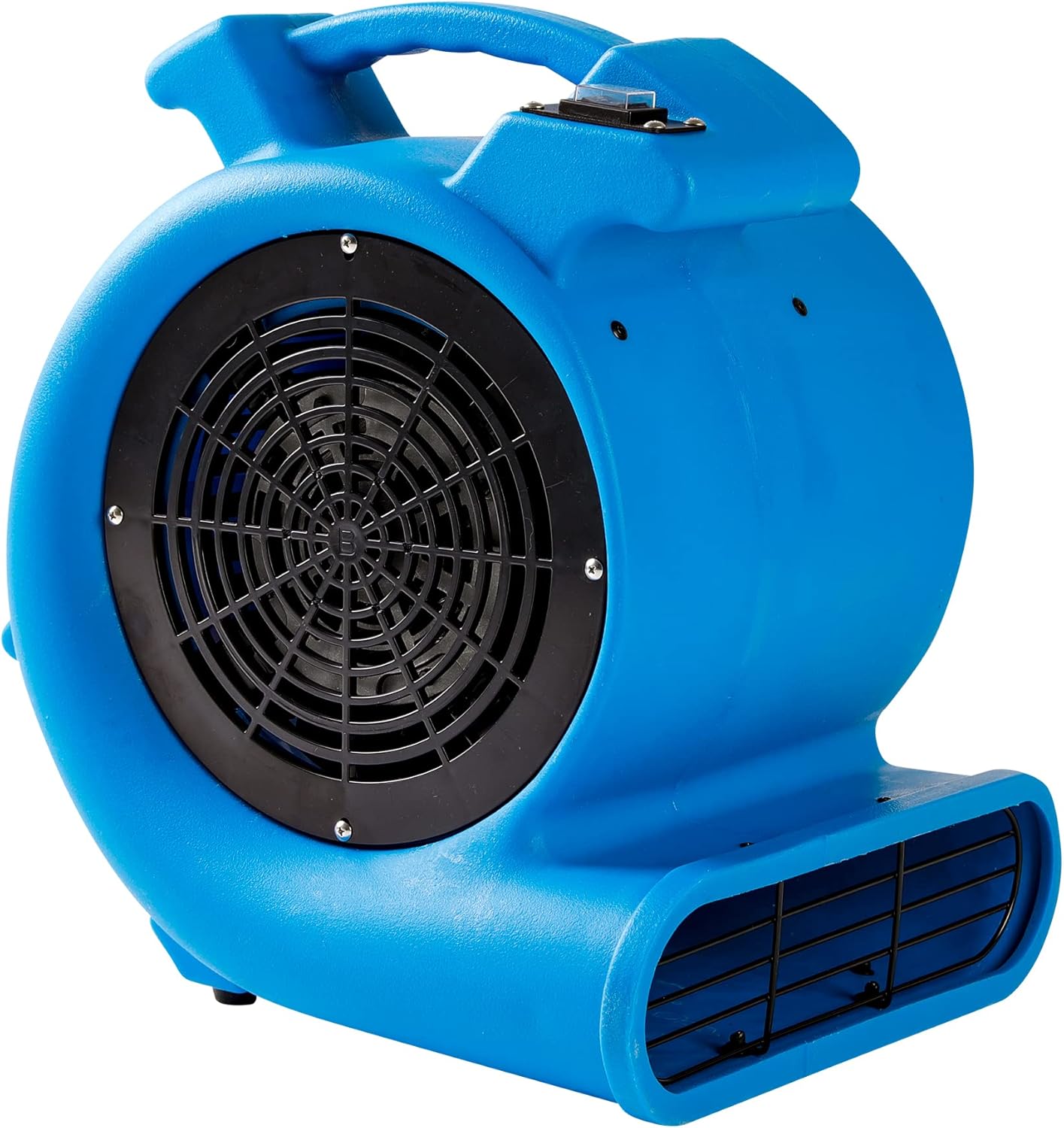
👉 See air mover fans on Amazon
4. Move Furniture and Valuables
Water wicks upward quickly. Get rugs, couches, boxes, and wood furniture off wet floors and onto dry ground. Even items that look dry on top may be absorbing water from below.
5. Document Everything for Insurance
Before you clean up too much, grab your phone and photograph where water entered, all damaged items, and wet walls or flooring. This documentation makes insurance claims significantly easier.
Now that the immediate crisis is under control, let’s figure out why this is happening.
Why Is Water Coming Through My Floor?
Here are the six most common causes. Match the symptoms to your situation to narrow it down fast.
1. Heavy Rain or Groundwater Pressure (Most Common in Basements)
After heavy storms, water accumulates around your foundation and pushes inward through tiny cracks — this is called hydrostatic pressure.
Signs: water appears only after rain, basement floor feels damp or “sweaty,” water seeps along edges or cracks, sump pump is struggling or not running.
The fix: Improve exterior drainage first (see fix section below), then address waterproofing and sump pump solutions.
2. Burst or Leaking Pipe Under the Slab
If water appears with no rain, suspect plumbing.
Signs: constant water that won’t stop, warm spots on the floor, higher-than-normal water bill, water meter still spinning when all fixtures are off.
The fix: Call a plumber for a pressure test. This is high urgency — a slab leak can waste hundreds of gallons a day and undermine your foundation.
Click here to stop water seepage
3. Foundation Cracks
Concrete naturally cracks over time due to settling, temperature changes, and soil movement.
Signs: visible cracks in walls or floor, damp seepage lines along cracks, worse during storms.
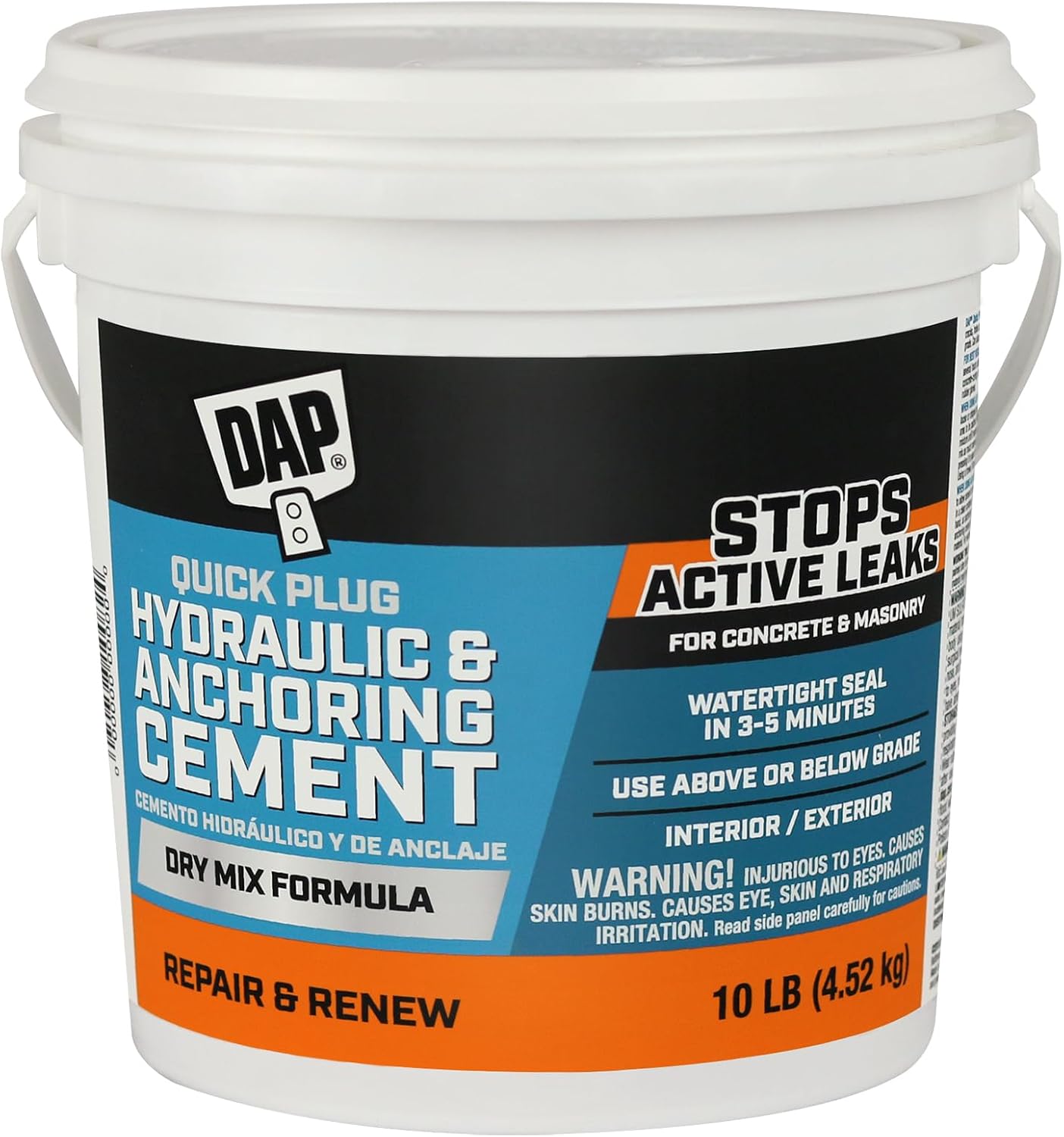
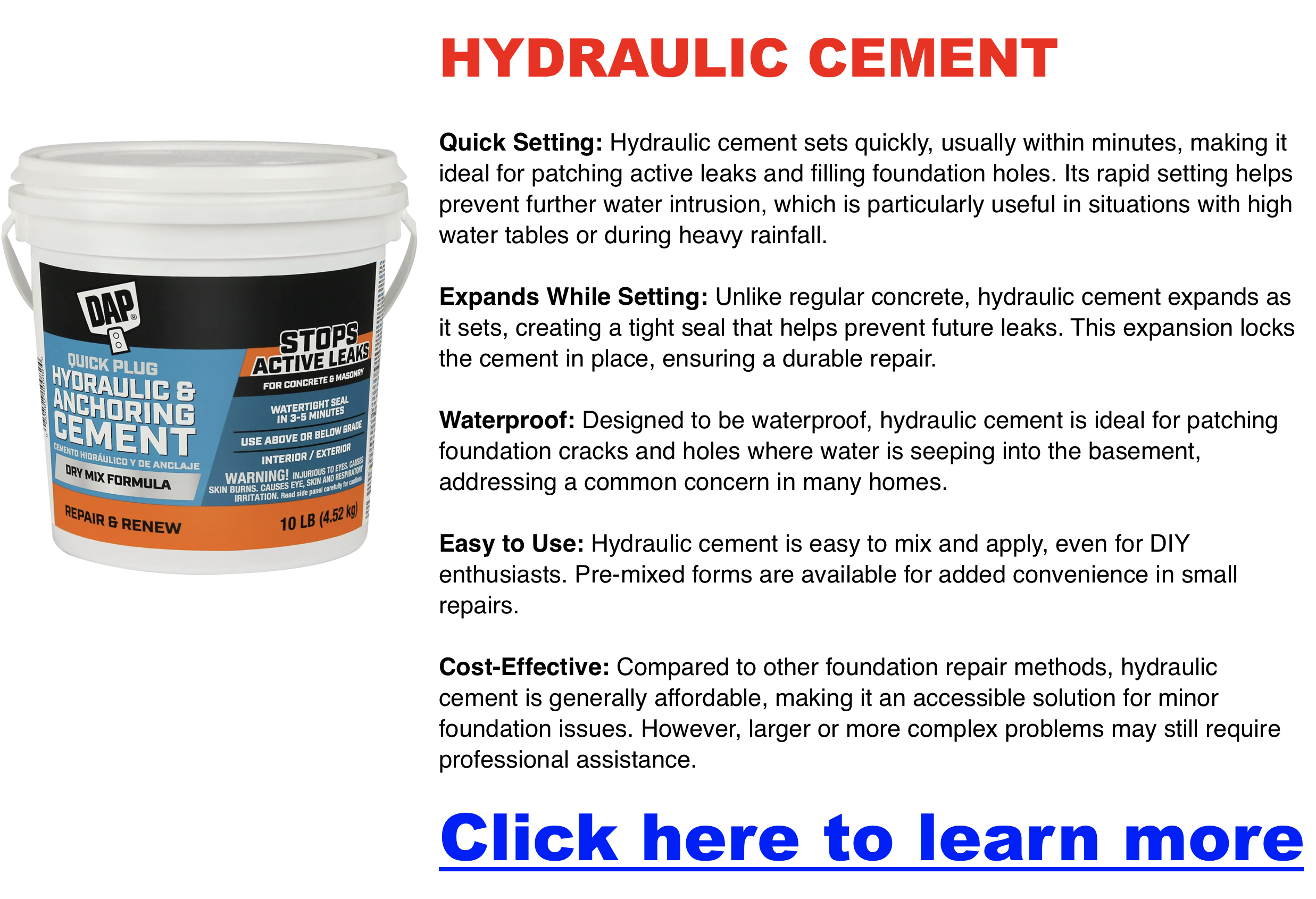
The fix: Small cracks can be sealed with hydraulic cement or concrete epoxy — both are affordable DIY fixes. Larger or expanding cracks need a foundation specialist.
👉 Get hydraulic cement on Amazon — sets in minutes, even underwater
👉 Get concrete crack epoxy on Amazon — best for hairline to medium cracks
4. Sump Pump Failure
If you have a basement pump, this is one of the most frequent culprits for floor flooding.
Signs: pump not running, humming but not actually pumping, sump pit overflowing.
The fix: Repair or replace the pump immediately. If your pump is more than 7–10 years old, replacement is often smarter than repair. And always pair it with a battery backup (see prevention section below) — power outages and heavy storms often happen together.
5. Appliance Overflow
Sometimes the simplest answer is the right one.
Check: washing machine hoses, water heater, dishwasher, and refrigerator water line.
The fix: Replace rubber hoses with braided stainless steel hoses — they’re far more durable and resist bursting. This is one of the cheapest and most effective upgrades you can make.
👉 Get braided stainless steel washing machine hoses on Amazon
6. Sewer Backup (Serious — Call a Pro)
If the water smells foul or looks dark/gray, stop immediately and call a professional. Do not attempt to clean this yourself.
Signs: foul smell, slow drains throughout the house, toilets gurgling, black or gray water.
This water is contaminated and poses a serious health risk. A licensed plumber or restoration company is the only safe option here.
Quick Diagnostic Tests (10 Minutes)
Before calling anyone, these four simple tests can help you identify the source — and save you money on the service call.
Paper towel test: Dry the floor completely, then lay paper towels around suspected areas. Check back in 15–30 minutes to see where moisture appears first. This tells you the direction water is traveling.
Water meter test: Turn off every faucet and water-using appliance in the house. Check your water meter. If it’s still moving, you have an active leak in your plumbing system.
Rain correlation test: Does the water only appear during or after storms? If so, you’re almost certainly dealing with groundwater pressure or a foundation/drainage issue — not plumbing.
Smell test: Clean, odorless water points to plumbing or groundwater. A foul or sewage smell means sewer backup — call a pro immediately.
These clues save significant time and money when you do call a professional, because they can skip the initial diagnostic work.
How to Fix It (Based on the Cause)
Groundwater or Rain Seepage
Start with the free/cheap exterior fixes first — they solve the problem for the majority of homeowners:
Extend downspouts at least 6–10 feet away from your foundation. Most basement flooding happens because downspouts dump water right next to the house. A simple downspout extension redirects thousands of gallons per year away from your foundation.
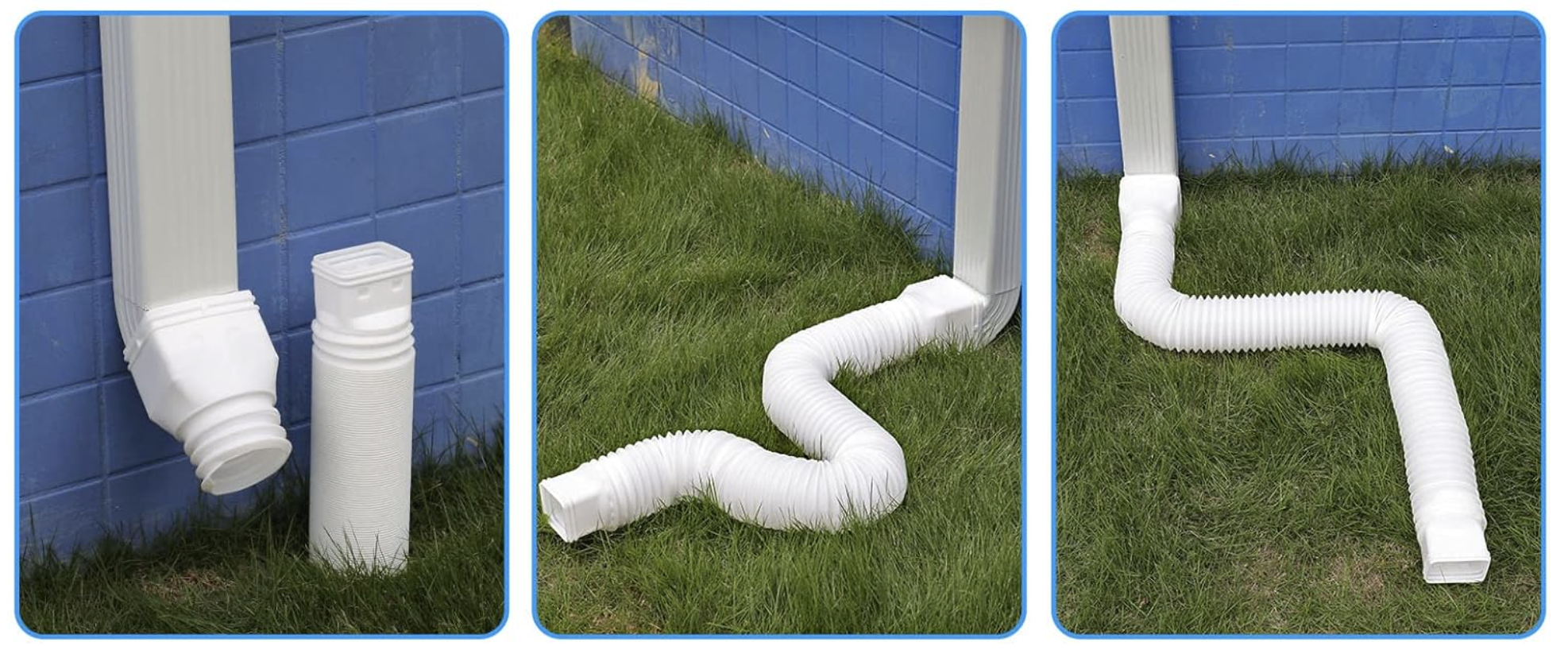
👉 Get a downspout extension on Amazon
Clean your gutters — clogged gutters overflow and dump water directly at your foundation line.
Regrade soil so it slopes away from the house, not toward it.
If exterior fixes aren’t enough, consider a sump pump, interior French drain system, or professional foundation waterproofing.
Slab or Pipe Leak
This requires a licensed plumber. They’ll typically do a pressure test and may use a thermal camera to pinpoint the leak. The fix usually involves repairing the pipe or rerouting it above the slab. DIY rarely works for under-slab leaks.
Foundation Cracks
For small, non-expanding cracks: hydraulic cement or concrete epoxy (linked above) works well as a DIY fix. For larger cracks, cracks that are growing, or any sign of foundation movement, call a foundation specialist.

Appliance Leak
Replace worn hoses, tighten loose fittings, and swap rubber for braided stainless steel. This is a cheap fix — don’t delay it.
Recommended Tools to Prevent Future Water Damage
Once you’ve fixed the immediate problem, these tools provide early warning and protection so you never deal with this again. Even one or two of these can save you thousands in future damage.
Smart Water Leak Sensors
These small devices sit on the floor near water heaters, washing machines, sump pumps, and other risk areas. When they detect moisture, they send an instant alert to your phone — so you catch leaks in minutes instead of hours or days.
👉 See top-rated smart water leak sensors on Amazon
Automatic Water Shutoff Valve
Pairs with leak sensors to automatically shut off your main water supply when a leak is detected. This is the single best upgrade for preventing catastrophic water damage — especially when you’re away from home.
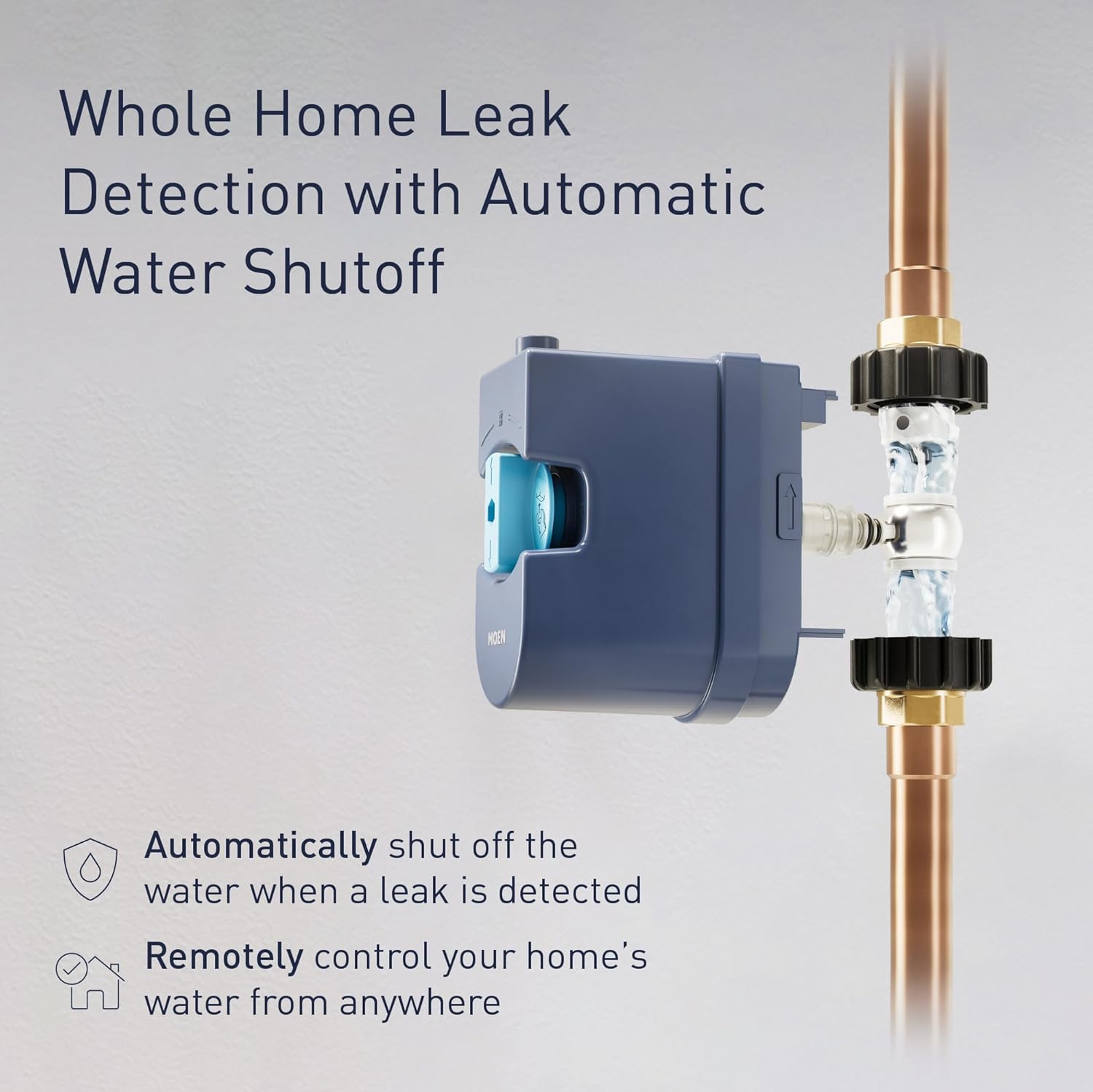
👉 See automatic shutoff valves on Amazon
Battery Backup Sump Pump
Power outages and heavy storms tend to happen at the same time — exactly when your sump pump needs to work most. A battery backup keeps your basement dry even when the power goes out.
Dehumidifier
After any water event, humidity lingers — and mold thrives in damp air. A good dehumidifier keeps basement humidity below 50%, which is the threshold where mold struggles to grow.
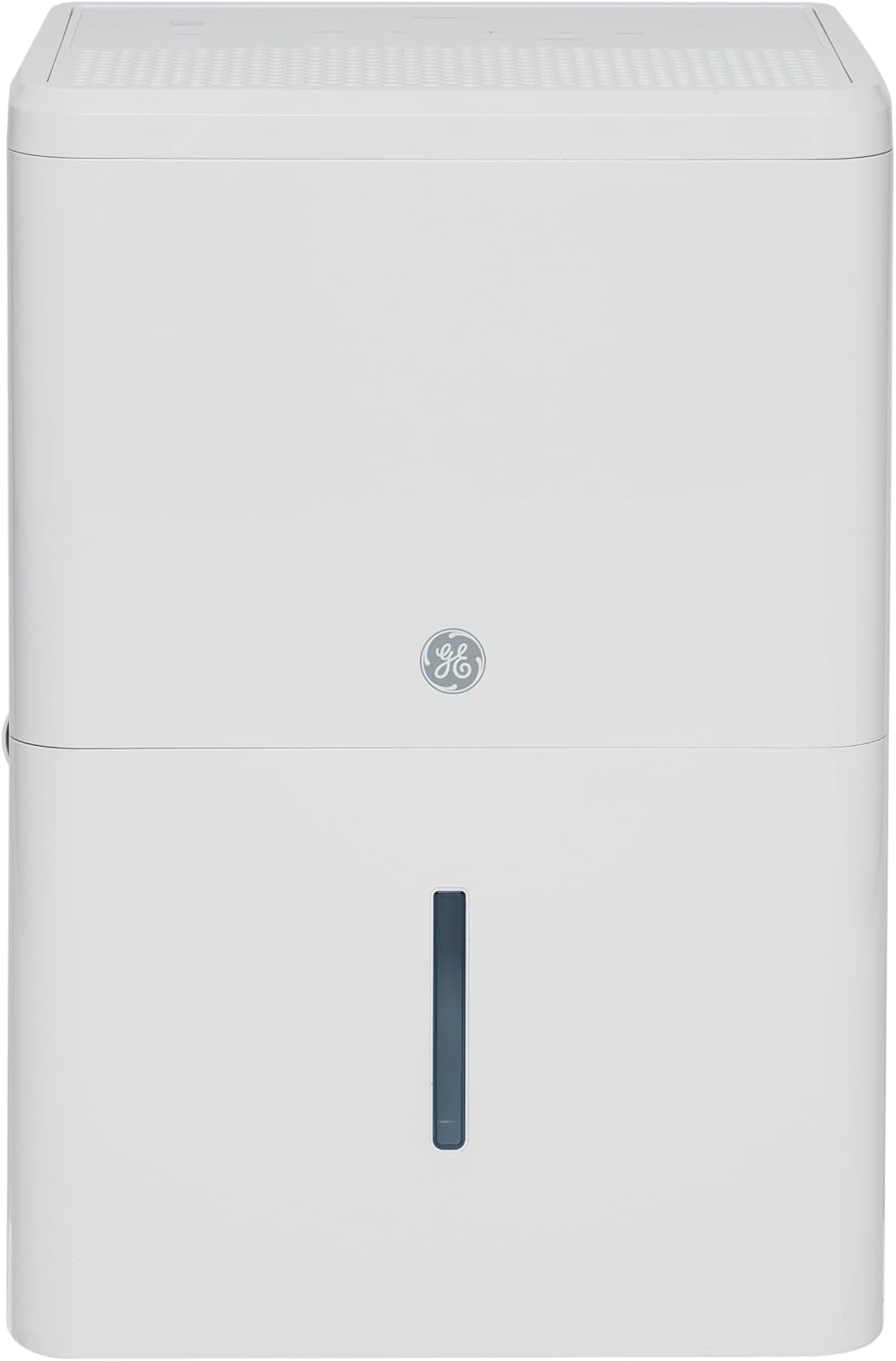
👉 See top-rated basement dehumidifiers on Amazon
When to Call a Professional Immediately
Some situations are beyond DIY. Call a professional right away if you’re dealing with any of these: water that keeps returning after cleanup, a suspected slab leak, sewage smell, visible foundation shifting or movement, electrical risk from water near wiring, or more than 1–2 gallons of standing water.
Early professional intervention is almost always cheaper than waiting. A $300 service call now can prevent a $5,000+ restoration project later.
How Much Does This Typically Cost?
| Problem | Typical Cost |
|---|---|
| Small plumbing repair | $150–400 |
| Sump pump replacement | $800–2,500 |
| Foundation crack sealing | $500–2,000 |
| Slab leak repair | $1,000–4,000+ |
| Major waterproofing | $3,000–10,000+ |
| Full water damage restoration | $2,500–7,500+ |
The pattern is clear: catching problems early is always cheaper. A $15 leak sensor or a $30 pair of braided hoses can prevent thousands in repairs.
Annual Prevention Checklist
Once the problem is fixed, spend 30 minutes once a year on these tasks to keep water out for good:
- Clean gutters and check for proper drainage
- Extend downspouts at least 6 feet from the foundation
- Test your sump pump by pouring water into the pit
- Inspect washing machine, dishwasher, and water heater hoses for bulging or cracking
- Seal any new cracks in basement walls or floor
- Verify leak detectors have fresh batteries and are positioned correctly
- Check the grading around your home — soil should slope away from the foundation
A 30-minute annual inspection can prevent thousands in water damage. Set a calendar reminder for spring and fall.
Frequently Asked Questions
Q: How does sloped landscaping cause water to seep through the floor?
A: If your yard slopes toward your house, rainwater flows directly at the foundation. Over time, this saturates the soil and increases hydrostatic pressure — the force that pushes groundwater through cracks in your basement floor and walls. If a neighbor’s yard slopes toward yours, their runoff compounds the problem. Regrading the soil so it slopes away from the house is one of the most effective (and cheapest) fixes.
Q: What are two signs of a main water line break?
A: A sudden drop in water pressure and unexplained pooling water in your yard — especially near where the main line enters your home. If you notice both, contact your water utility or a plumber immediately.
Q: How does hydrostatic pressure cause basement floor leaks?
A: Hydrostatic pressure is the force that saturated soil exerts against your foundation. When the ground around your home absorbs heavy rain or snowmelt, pressure builds up and forces water through any crack, joint, or weak point in your basement floor or walls.
Q: Why is it important to clean clogged gutters?
A: Clogged gutters overflow and dump water directly at your foundation — exactly where you don’t want it. This increases soil saturation and hydrostatic pressure, which drives water into basements and crawl spaces. Clean gutters twice a year (spring and fall) to prevent this.
Q: How can I detect a leak in my underfloor heating system?
A: Look for unexplained warm spots on the floor and monitor your water bill. A hidden underfloor heating leak causes localized warmth above the damaged pipe and a gradual increase in water usage. A plumber with a thermal imaging camera can confirm the exact location.
Q: What immediate steps should I take when I discover water seeping through the floor?
A: First, shut off the main water supply to rule out plumbing leaks. Then cut power to affected rooms for safety. Remove standing water with towels or a shop vac, move valuables off wet floors, and photograph everything for insurance before cleaning further. Speed matters — mold can begin growing within 24–48 hours.
Q: What’s the difference between a French drain and a trench drain?
A: A French drain is a buried, gravel-filled trench with a perforated pipe that collects and redirects groundwater below the surface. A trench drain (also called a channel drain) is a surface-level channel that catches and diverts water runoff from above ground. French drains solve subsurface water problems; trench drains handle surface water.
Q: How can a high water bill indicate water seepage?
A: A sudden spike in your water bill — without any change in your usage habits — often signals a hidden leak in your plumbing. Pipes running under floors or through walls can leak for weeks before water becomes visible. The water meter test (described above) can confirm this in minutes.
Q: Why is proper ventilation important after a water seepage incident?
A: Even after standing water is removed, moisture remains trapped in flooring, drywall, and subfloor materials. Without proper airflow, this moisture creates the perfect conditions for mold growth. Use fans, open windows, and run a dehumidifier until humidity drops below 50%.
Q: When should I contact a water damage restoration professional?
A: Call a professional if the affected area is larger than about 10 square feet, you see or smell mold, the water is contaminated (sewage), or you can’t identify the source. Restoration professionals have industrial-grade drying equipment and moisture meters that detect hidden water behind walls and under floors — problems that are easy to miss on your own.
Final Thoughts
Seeing water come through your floor is stressful — but the majority of causes are fixable, especially if you act quickly.
Stop the water → Diagnose the source → Fix the cause → Prevent it from happening again.
Handle it early and you’ll save money, protect your home, and avoid the kind of damage that turns a simple repair into a major renovation. The tools linked above are a smart starting point — a few dollars in prevention can save thousands in restoration.